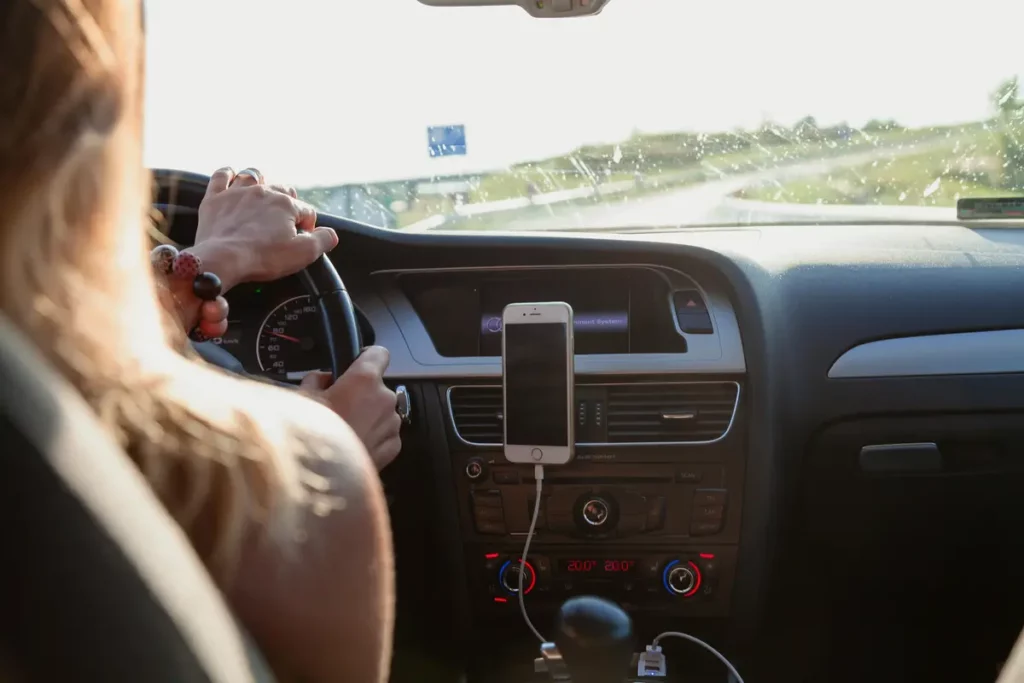
It starts like any other day. You fire up your Uber, Lyft, or DoorDash app and hit the road. Maybe it’s a side hustle between classes at Utah Tech or something to fill the gap between other jobs. Either way, you’re making deliveries or giving rides, and the money seems to be coming in easy enough.
Whether it’s driving for Uber, Lyft, or Doordash, many turn to app-based driving for the freedom it provides. No boss breathing down your neck, no desk, no schedule. For college students, it’s a way to make money between classes without having to commit to a rigid job. For parents, it’s a side hustle they can squeeze in while the kids are at school. And for anyone juggling multiple responsibilities, the flexibility of delivery or rideshare driving is hard to beat. You set your own hours, work when you want, and pause when you need a break. For many, gig driving is the perfect solution—quick cash, freedom, and the ability to work on your own terms.
But here’s what most rideshare drivers don’t realize: when it comes to insurance coverage, you might be completely exposed. Even if you’re the safest driver on the road, accidents happen. And when they do, you’ll quickly discover how little these apps do to protect you.
The False Sense of Security from App Insurance
You might think, “Well, Uber has insurance, right?” Technically, yes—but the coverage depends entirely on what you’re doing at the time of the crash. Rideshare and delivery companies divide your time into phases, and each comes with different (and often limited) insurance protections.
Understanding Rideshare Accident Coverage Periods
One of the biggest surprises for rideshare and delivery drivers is how insurance coverage can shift based on what you’re doing at any given moment. Unlike a traditional job, where your employer typically provides steady protection, app-based driving operates on a sliding scale – something that brings flexibility to the job, but also causes problems with insurance coverage. Whether you’re logged out, waiting for a request, or actively transporting someone, your coverage varies—and that variation can leave dangerous gaps.
Let’s break it down:
- App off: You’re driving your car, but the app isn’t active. In this case, you’re on your personal insurance entirely.
- App on, waiting for a request: You’ve logged in but haven’t accepted a ride or delivery. Here, the app provides minimal coverage—usually liability only, and not enough to cover injuries or vehicle damage.
- Ride in progress: You’ve accepted a request and are en route or have a passenger. This is the highest level of coverage—but even then, it’s mostly designed to protect the company, not you.
Insurance Gaps That Put Drivers at Risk
Here’s where things get dicey. Let’s say you’re driving for Uber in St. George and get rear-ended. It’s not your fault. The other driver has Utah’s minimum liability insurance—$25,000, which won’t come close to covering a hospital visit, physical therapy, and lost wages. Your own insurance might deny the claim because you were working commercially. And Uber? They’ll likely say you weren’t covered under their policy based on the phase of your ride.
This happens more often than you’d think. Drivers assume they’re covered, but end up paying out of pocket for medical bills, car repairs, and lost income.
Are Delivery Drivers Covered the Same Way?
You might be wondering if all this applies equally to food and package delivery drivers—those working for DoorDash, Uber Eats, Instacart, or Amazon Flex. The short answer? The risks are just as real, and in many cases, the coverage is even thinner.
Like Uber and Lyft, companies like DoorDash and Uber Eats divide coverage into phases. When you’re logged out, your personal insurance is all you’ve got. When you’re logged in but not on a delivery, the company might provide some basic liability coverage—but it usually won’t cover injuries or car damage. And even when you’re actively delivering, the insurance coverage is often limited to liability only, with no collision or medical coverage for the driver.
Unlike rideshare companies that are transporting passengers and face higher liability exposure, delivery apps tend to offer lower coverage limits. That’s because the risk to third parties (like passengers) is lower. But the risk to you, the driver, is still significant—and in many cases, you’re entirely on your own when something goes wrong.
Many drivers don’t find this out until after they’ve been hit. At that point, they’re stuck—injured, without a car, and footing the bill themselves. A serious injury can sideline you for weeks or even months. That’s income lost, medical bills mounting, and stress piling up—all while trying to navigate who’s supposed to pay. Chances are, you’re driving to make money, not spend it on surprise expenses and legal messes. That is when people in your shoes wind up calling a rideshare accident attorney.
How to Protect Yourself Before You Drive
Before you ever hit “Go” on the app, take a minute to protect yourself. The smartest thing you can do as an app-based driver is to set up the right insurance before you get behind the wheel. Start by calling your current auto insurance provider. Let them know you’re planning to drive for Uber, Lyft, DoorDash, or any other app. Ask them point blank: “Does my policy cover me while I’m working?” Chances are, the answer is no—but many insurance companies offer something called a rideshare or delivery endorsement. It’s an add-on to your policy that can keep you covered in those gray areas when the app is on, but the company’s insurance isn’t kicking in yet.
These endorsements aren’t usually that expensive, and they’re worth every penny if you ever get into a crash. Without one, your insurer might deny your claim outright, and there won’t be much you can do about it.
Here are a few important questions to ask when you’re shopping for coverage:
-
Will my current policy cover me while I’m logged into a rideshare or delivery app?
-
Is there a specific rideshare endorsement or delivery driver policy you offer?
-
If I’m in an accident and the app is on but I haven’t accepted a ride, will you still cover me?
-
Will my claim be denied if I don’t have the right endorsement?
Don’t just take a verbal yes—get it in writing if you can. If your insurer doesn’t offer rideshare accident coverage, shop around. There are plenty that do.
Lastly, don’t assume that because you’re careful on the road, you won’t need this protection. Most of the drivers we help weren’t doing anything wrong—they were simply in the wrong place at the wrong time, and the app wasn’t there to back them up.
Don’t Wait Until You’re Hurt
If you’re already driving for Uber, Lyft, or DoorDash—or thinking about signing up—take the time now to understand your insurance, your risks, and your legal options. Gig driving might seem simple, but the consequences of being in an rideshare accident can be anything but.
If you do find yourself in a jam, give us a call, we’d love to talk. Our consultations are always free and we can discuss your options on how to move forward.