
It usually happens with a short phone call. You’re expecting an update on repairs, maybe a timeline. Instead, the adjuster says, “We’ve determined your vehicle is a total loss.”
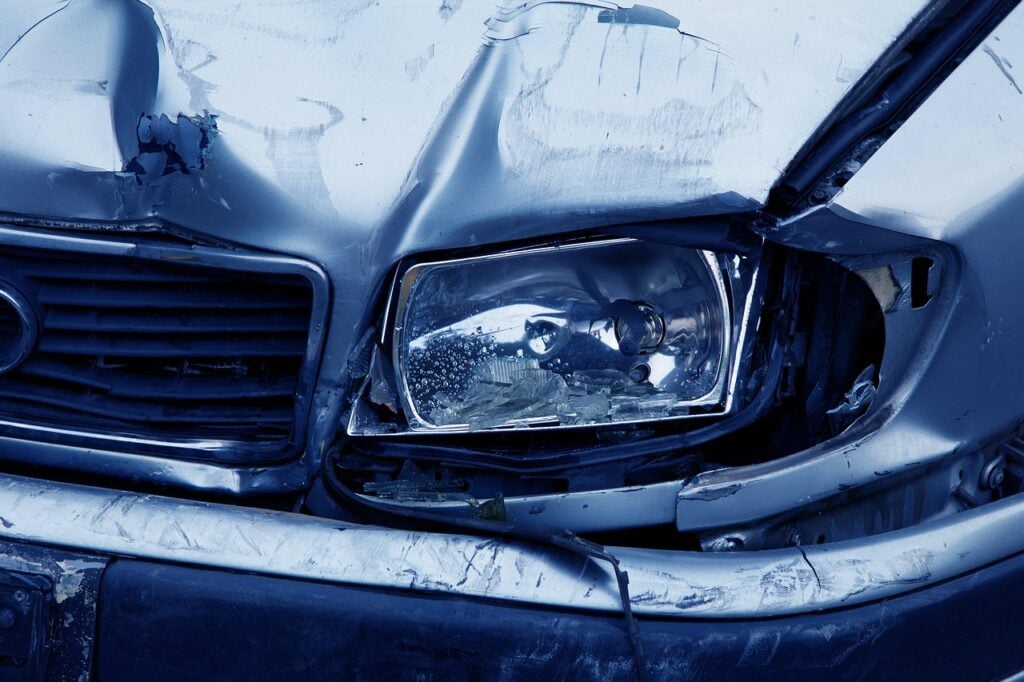
And suddenly you’re thinking about all the things that don’t seem to add up. Your car still runs. The damage doesn’t look that serious. And now you’re left wondering what this decision actually means for you right now.
No matter where you live, this moment is more common than you might think – and it often raises more questions than answers. We frequently encounter it with drivers in places like St. George and Mesquite, but it’s an issue that arises nationwide.
What Does It Actually Mean When Insurance Totals Your Car?
When people hear “totaled,” they imagine a car that’s completely destroyed. But in insurance terms, that’s not what it means.
When insurance says your car is totaled, they’re saying the cost to repair it – and any related expenses – is too close to, or exceeds, the car’s value before the crash. This is part of what’s called a total loss car insurance determination.
So if you’re thinking, “Insurance totaled my car, but it doesn’t look totaled,” you’re not wrong – and you’re definitely not alone.
What Does It Actually Mean When Insurance Totals Your Car?
This is where the math comes in. Insurance looks at several key factors:
- The actual cash value (ACV) of your car before the accident
- The estimated cost of repairs
- The salvage value of the vehicle
In many cases, if repair costs reach a certain percentage of the car’s value, the insurer can declare it a total loss. That threshold can vary by state and by insurance company, which is why two similar accidents in St. George and Mesquite might get different outcomes.
This is often the moment people say, “Insurance totaled my car… and I don’t really understand why.”
For many drivers, the shift from “waiting on repairs” to “total loss” doesn’t feel dramatic at first – it’s just another call, another update. But once insurance decides to total a vehicle, the claim quietly moves into a different phase and things start to move quickly. The questions change, the timeline speeds up, and decisions start carrying more weight. Understanding what happens next helps you stay grounded as the process moves forward.
What Happens After a Car Is Totaled?
First, the insurer assigns a value to your vehicle based on comparable sales, mileage, condition, and market data in your area. This is the number that becomes your settlement offer.
After the valuation is set, the insurance company typically takes ownership of the vehicle, and the title is branded as a total loss or salvage. From there, arrangements are made to pick up the car, and payment is issued once the required paperwork is completed.
This phase can feel rushed, especially if you still need transportation or haven’t had time to review the numbers. Insurance companies often move forward assuming you’ll accept the valuation as-is, but this is one of the points in the process where you actually have some control. You can ask for a copy of the valuation report, review the comparable vehicles they used, and flag anything that looks inaccurate before signing paperwork or releasing the vehicle. Understanding what happens after a car is totaled helps you slow things down just enough to ask the right questions, make sure the numbers reflect reality, and avoid feeling boxed into a decision you don’t fully understand.
What If You Still Owe Money on the Car?
This is one of the hardest conversations we have with people.
If your car is totaled but you still owe money, the insurance payout goes first to the lender, not to you. If the loan balance is higher than the settlement amount, you’re responsible for the difference unless you have GAP insurance.
This is often when people realize that the settlement is based on market value, not what they originally paid, and that loan balances don’t always line up with what a car is worth today. For newer vehicles, this is also when GAP coverage can make a significant difference.
It’s frustrating, and it’s emotional – especially when the accident wasn’t your fault.
Can You Disagree With the Insurance Value?
Yes – but it helps to be realistic.
You can challenge the valuation if comparable vehicles are selling for more in your local market, if important features or upgrades were missed, or if mileage or condition was listed incorrectly. What usually doesn’t move the needle are things like sentimental value, recent repairs, or what you personally need to replace the car.
If the numbers don’t add up, this is often where people in St. George or Mesquite start looking for guidance from a property damage car accident attorney, especially if fault or coverage issues are also in play.
When Getting Help Makes Sense
Not every total loss claim needs legal involvement. But help can matter when liability is disputed, when a settlement offer feels clearly undervalued, when you’re being pushed to accept before you’re ready, or when a claim starts dragging on without clear explanations. In those situations, having someone who understands how property damage claims are supposed to work can help bring clarity and momentum back into the process.
Property damage claims are supposed to be straightforward – but they don’t always feel that way when you’re living through one.
Take a Breath — Then Take the Next Step
Hearing that insurance totaled your car can feel overwhelming, especially when you’re juggling transportation, work, and family responsibilities.
The good news? You don’t have to figure everything out at once, and you don’t have to do it alone.
Understanding how total loss decisions are made, what happens next, and where problems usually arise gives you back some control – and helps you avoid costly mistakes during a stressful time.
If something about your total loss claim doesn’t sit right, it’s worth slowing down and getting clarity before moving forward.